Football’s power structure is shifting, and this season across the UK has underlined just how much the balance has changed.
Celtic, Manchester United and Chelsea have all changed managers in recent months, with each exit appearing to be influenced as much by boardroom tensions as by results on the pitch.
Brendan Rodgers walked away from Celtic in October, Enzo Maresca left Chelsea at the start of January, and Ruben Amorim followed soon after at Manchester United. While each situation was different, there was a clear common thread of friction behind the scenes.
Rodgers’ departure from Celtic was particularly notable. Club majority shareholder Dermot Desmond broke his usual silence to deliver a pointed public message, a move that caught attention across the game and was later referenced by Roy Keane.
Keane weighs in on changing power dynamics
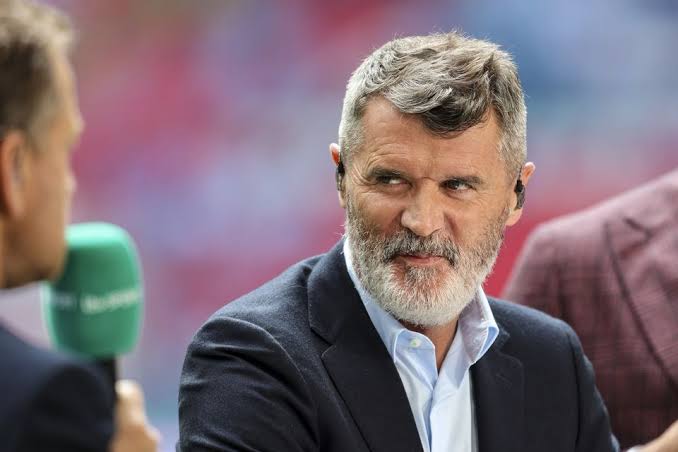
Speaking on The Overlap, Keane and the panel discussed how the modern relationship between managers and club executives has evolved. In recent cases, both Amorim and Maresca appeared to make thinly veiled criticisms of their clubs’ hierarchies in press conferences, only to be shown the door shortly afterwards.
Keane argued that authority within clubs is no longer centred on the manager. He suggested that directors of football and senior executives now wield far greater influence, leaving coaches having to manage upwards as much as they manage their squads.
Jamie Carragher joined the discussion and said he hoped Amorim’s dismissal was driven by results rather than a dispute with figures in the Manchester United boardroom. While he criticised public disagreements between managers and executives, Carragher also acknowledged that tension is inevitable when clubs want elite coaches while maintaining tight control from above.
Keane then returned to the Celtic example, pointing to the way Rodgers’ exit was handled. He highlighted how unusual it was to hear such blunt commentary from Desmond and suggested it illustrated a wider issue in the modern game.
In Keane’s view, the public nature of these power struggles reflects a broader shift. Managers with hundreds of games of experience are now often working under sporting directors who dictate recruitment and long term planning. That imbalance, he believes, is becoming one of the defining challenges of football’s current era.