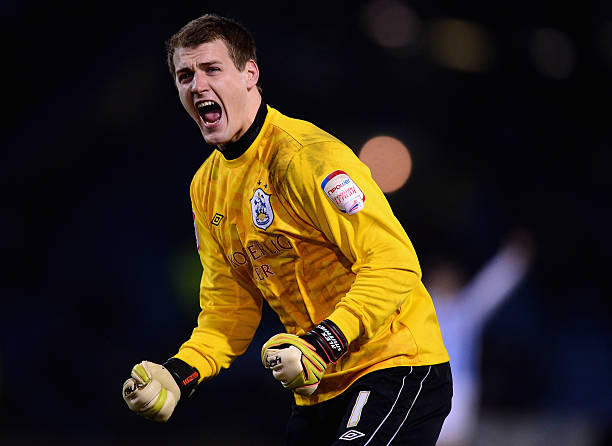
Former Leicester City goalkeeper Alex Smithies has opened up about the abrupt and quiet end to his professional football career. In a candid reflection, he highlighted the severe lack of support players receive when they are forced to hang up their boots.
Smithies officially retired in January 2024 at the age of 33 due to a severe knee injury. Although he joined Leicester City on a free transfer from Cardiff in the summer of 2022, he never made a competitive appearance for the Foxes. He did, however, leave the sport with an impressive resume of nearly 500 career games across spells with Huddersfield, Queens Park Rangers, and Cardiff.
Now working as a financial adviser, Smithies recently took to LinkedIn to share the stark reality of his final days as a player. In December 2023, he visited his knee surgeon as an active footballer but left the appointment knowing his playing days were entirely over. His surgeon informed him that his knee could no longer handle the physical demands of professional sport.
The very next day, Smithies met with Leicester City’s director of football, Jon Rudkin, to share the heavy news. After playing the game since he was six years old, his career ended in an instant.
Smithies pointed out that his quiet exit is actually the norm for the vast majority of professional athletes. He noted that 99 percent of footballers do not get a grand farewell or a standing ovation. Instead, their careers end in complete silence without any formal closure or institutional support.
This sudden transition often brings immense pressure as players suddenly face the reality of providing for their families without the only career they have ever known. Fortunately, Smithies had planned his finances carefully and surrounded himself with a great personal support system. He credited this preparation for giving him the mental space to transition smoothly into his new career instead of scrambling to survive.
However, he stressed that many players are not as lucky. Smithies hopes his story will shed light on how desperately athletes need better external support systems when their playing days unexpectedly conclude.