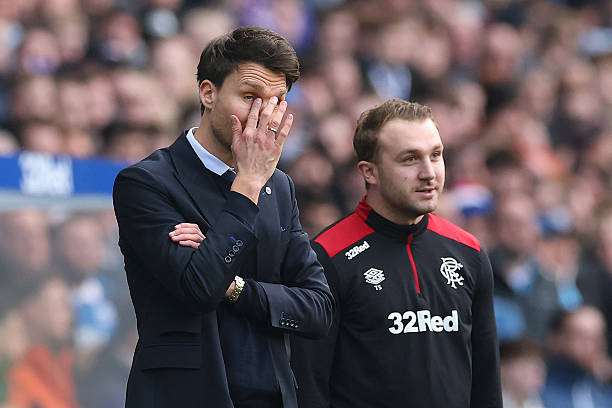
Danny Rohl wore the look of a man running on empty as he fielded questions after Celtic’s Scottish Cup penalty shootout victory at Ibrox, though he was quick to draw a line under the disorder that followed the final whistle.
On the scenes of chaos that erupted at full time, Rohl was brief. He takes responsibility for a great deal at Rangers, he said, but that particular matter was not his to answer for. He is right about that. The behaviour of supporters is not something a manager should be held accountable for, and working out the consequences for those involved is a matter for others.
What Rohl does need to answer for, and soon, is why results continue to slip away at the most critical moments. His position is not under immediate threat, and the club’s American ownership have shown patience with him since he replaced Russell Martin in October. But defeats of this nature, arriving so quickly after his side surrendered a two-goal lead in last week’s Premiership derby, have a habit of shifting the atmosphere in a city as reactive as Glasgow.
Russell Martin never managed to win the Rangers support over and was eventually worn down by the tide of negativity. Rohl received a much warmer reception and appeared to justify it by hauling Rangers back into a title race that had looked beyond them. But the longer the season has gone, the more the same questions are starting to surface. If Martin deserved to be sacked for his run of poor results, supporters will want to know why different standards should apply now.
The statistics from Sunday make the defeat particularly frustrating. Rangers created 24 chances to Celtic’s one across 120 minutes yet still went out on penalties, with James Tavernier and Djeidi Gassama both failing to convert when it mattered most. Rohl pointed out the irony of losing a shootout when his goalkeeper is one of the best in the business from the spot and Tavernier is usually so reliable.
Addressing his players and the wider support, Rohl framed the final nine league games as nine finals and said the group had made a promise to each other to go after every single one of them. He argued that the performances in the two most recent derbies showed genuine progress in how Rangers are playing, even if the results have not followed. He rejected any suggestion of a mentality problem, arguing that a team without the right character could not produce what his side produced over 120 minutes.
The challenge now is turning those performances into points. Rangers trail Hearts by six in the Premiership, and time is running short. Rohl’s conviction appears genuine, and he insisted that in football six points can disappear across just two match days. Whether that belief is enough to sustain a realistic title challenge will become clear in the weeks ahead.