






Georginio Rutter’s latest off-pitch move has sparked fresh speculation over his long-term future at Brighton & Hove Albion, rekindling whispers of an emotional return to Leeds United.
The 24-year-old French attacker departed Elland Road in the summer of 2024 after Leeds narrowly missed out on promotion to the Premier League. The Seagulls triggered a £40 million release clause to secure his signature following a campaign where Rutter registered double figures in both goals and assists. While his flair and tenacity made him a cult hero in West Yorkshire, his spell on the South Coast has proven to be a mixed bag under head coach Fabian Hurzeler.
Speculation surrounding the forward took a significant turn this week courtesy of transfer insider Fabrizio Romano. The Italian journalist revealed on X that Rutter has officially joined Unique Sports Group, handing the prominent agency full control over his future sporting affairs and potential contract negotiations.
When an established Premier League player switches representation midway through a season, eyebrows are naturally raised across the footballing landscape. Such maneuvers frequently precede contract renewals, commercial realignments, or groundwork for an imminent transfer window. For Leeds supporters who watched their former talisman closely, the update immediately triggered hopes of an ambitious reunion.
Rutter’s current situation at the Amex Stadium provides ample fuel for debate. On paper, his output remains respectable. He has contributed five combined goals and assists across seven outings in all competitions this term, proving his natural ability to unlock top-flight defenses. Despite those returns, regular starts have not been guaranteed under Hurzeler, whose rotation policy and tactical demands have occasionally left Rutter watching from the substitutes bench.

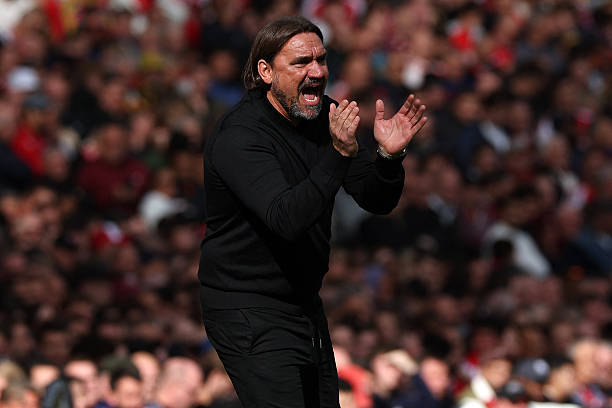
A hypothetical return to Elland Road would come with intriguing tactical considerations. Daniel Farke, the manager who coaxed the finest performances out of Rutter in the Championship, has significantly overhauled his tactical blueprint. The German tactician moved away from his traditional 4-2-3-1 system in favor of a three-at-the-back framework that revitalized the team.
Farke’s setup alternates between a 3-5-2 with a mobile second striker operating just off central target man Dominic Calvert-Lewin, and a 3-4-2-1 structure utilizing two narrow playmakers. While Rutter previously thrived as an orthodox number 10, his physical strength, sharp turn of pace, and creative vision make him well suited to either role. Whether acting as a secondary runner in behind or occupying half-spaces between opposition lines, the Frenchman possesses the toolkit to adapt to Farke’s updated demands.
Engineering such a deal would present formidable financial hurdles for Leeds, who would likely have to break their wage structure and risk unsettling squad harmony. Yet Rutter’s lingering affection for the Leeds fanbase remains an open secret, and his decision to align with new representatives suggests that his career trajectory could soon be open to new possibilities. If Brighton cannot guarantee him regular top-flight minutes, Leeds will certainly monitor any developments with keen interest.